Buying Guides
Headphone Amp Buying Guide: DAC/Amp Combo or Separate?
Why a headphone amp?
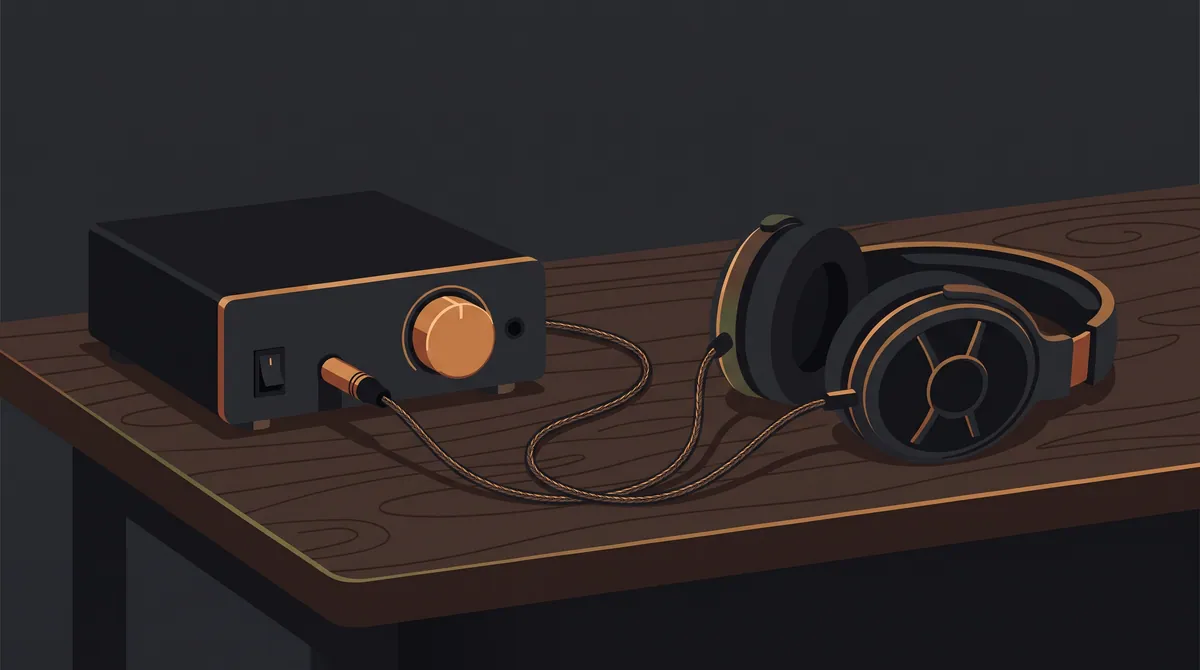
Phone and laptop headphone outputs usually deliver only a few mW — not enough for high-impedance headphones. An amp isn't just about volume: it supplies enough current and low output impedance so that drivers don't distort on transients and bass stays tight. A good amp brings out detail and soundstage from the same headphones.
DAC/amp combo vs separate amp
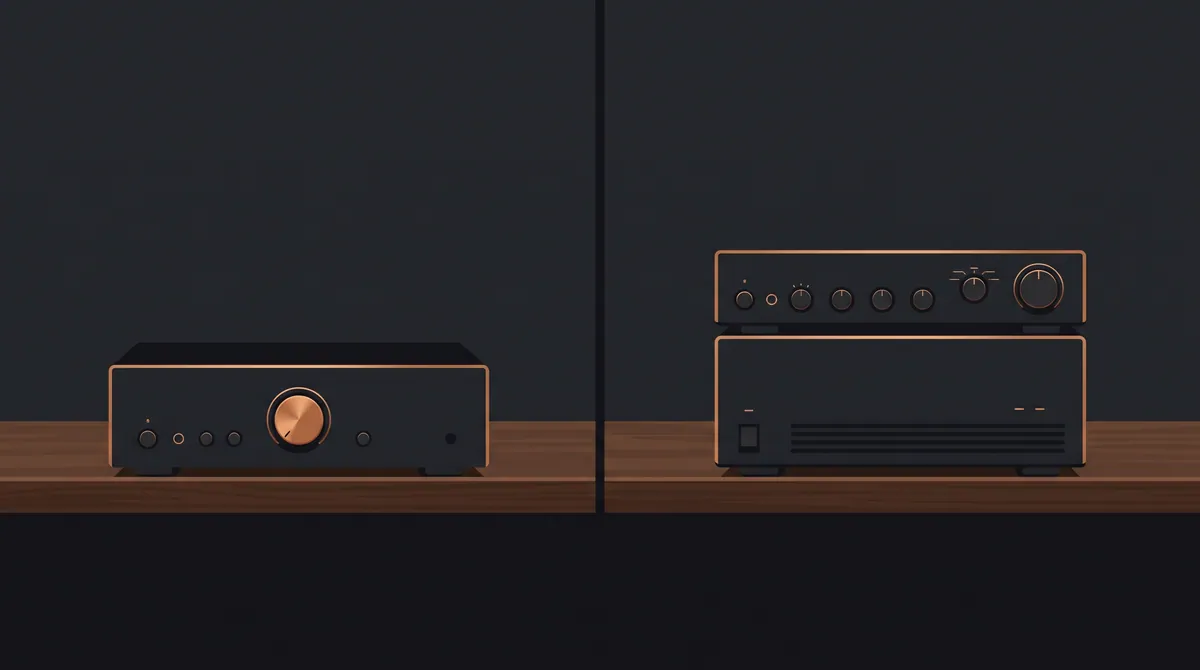
Beginners should start with a DAC/amp combo such as the NuPrime DAC-10H. One USB cable handles decoding and amplification, saving space and cables. Once you already own a DAC and want to elevate headphone performance, a separate amp makes sense.
Key specs decoded
- Output power: based on impedance and required voltage. A 32 Ω headphone needs 50–100 mW; a 300 Ω model needs 500 mW+
- Output impedance: lower is better — below 1/8 of headphone impedance, or frequency response shifts
- SNR: above 100 dB ensures a quiet background; 110 dB+ is excellent
- Gain switch: low gain for low-impedance cans, high gain for high-impedance
Portable or desktop?
Portable amps (battery, USB-C) suit commuting and travel, but power is limited. Desktop amps (external supply) offer more power and better power design, for denser sound. If you listen mainly at home, desktop is the first choice.
Do you need balanced output?
4.4 mm balanced and XLR balanced outputs deliver more power and lower crosstalk. If your headphones support balanced (most high-end models do), choose an amp with balanced out. InEar custom IEM cables usually already support 4.4 mm balanced.
Power matters
Headphone amps, like DACs, are supply-sensitive. If your desktop amp uses a stock switching supply, upgrading to linear power or a conditioner immediately cleans up the sound.
Our advice
First determine your headphone's impedance and sensitivity, then the required output power. If you already own a DAC, a separate amp is the starting upgrade; if you're new, a DAC/amp combo is the most practical. Book an audition to compare.